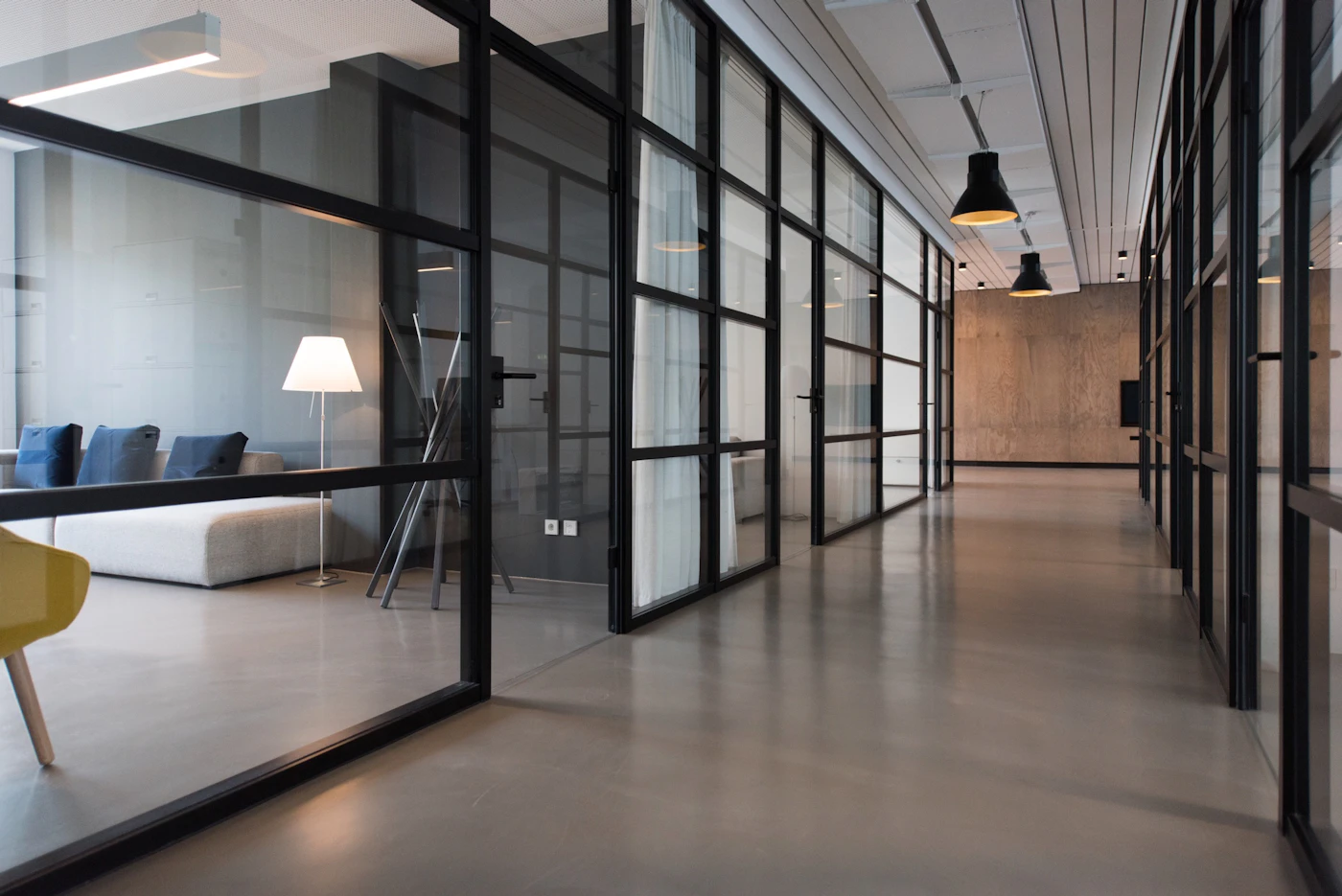
It is the most successful piece of industrial design nobody has ever chosen. It was never a statement, never a status symbol, never on a moodboard. It simply appears in offices, airports, clinics and municipal buildings, in a colour that matches nothing and offends nobody, and it has now outlived three design revolutions and two of the companies that made it.
The secret is not the chair itself but the decision not to redesign it. Its proportions were settled in 1963 by a small team in Michigan who tested it against real bodies for two years. Every decade since, the temptation to modernise has been resisted — the shape is simply too right to touch. When the plastics changed, the shell changed with them, invisibly. When the lumbar debate arrived, the chair absorbed it.
You cannot disrupt a chair. You can only reupholster it.
Design critics have spent sixty years asking why it is everywhere, which is the wrong question. The right question is why everything else is nowhere. Every redesign was an argument about taste; the chair was an argument about sitting. Sitting won.